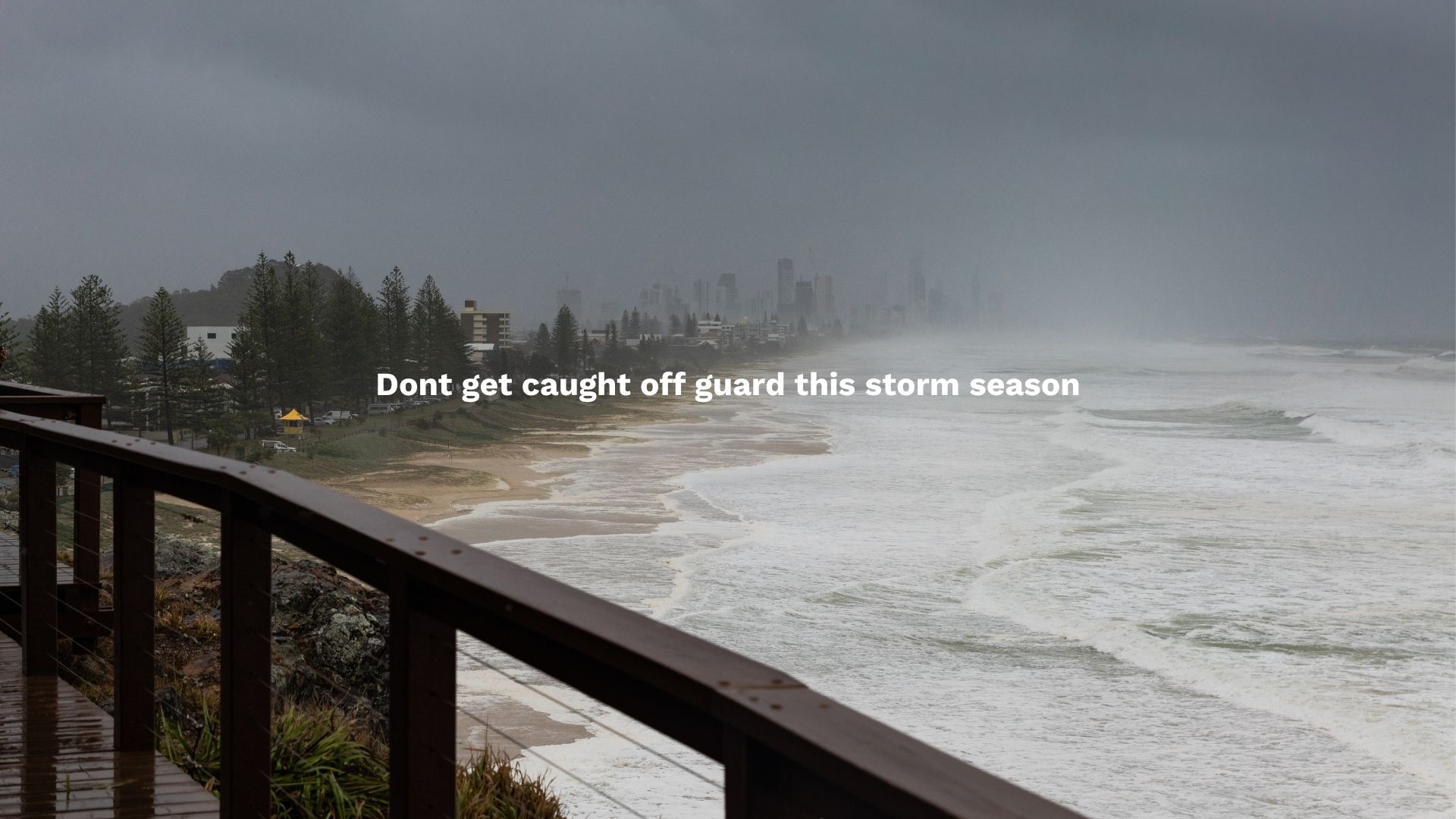
Storms, cyclones, bushfires, heatwaves, heavy rainfall, and flooding can happen with little warning in Queensland. Disasters can disrupt power, transport, communication, medication supplies and the support services people rely on every day. For people with disability, preparing for an emergency may involve additional planning. You might need to consider accessible transport, assistive technology, medication, personal care, communication or backup support if your usual arrangements are disrupted.
The best time to prepare is before severe weather is forecast. A plan that reflects your needs, preferences and circumstances can help you make informed decisions and feel more confident about what to do before, during and after a disaster.
You don’t have to do everything at once. Start with a few simple steps, involve people you trust and build your plan over time.
-
-
Plan ahead: make a plan that works for you
-
One of the best ways to prepare for a disaster is to make an emergency plan that reflects your individual needs, strengths and preferences.
Key preparation and steps include:
- Know your local risks: flood-prone zones, coastal storm surge areas, or strong-wind regions.
- Make a plan: where you will go, how you will get there, and who you will contact.
- Share your plan: talk with your family, housemates, support workers, and neighbours so everyone knows what to do.
Use the Person-Centred Emergency Preparedness (P-CEP) workbook. It can help you think about what you can do independently, where you may need assistance and what arrangements you need to make before an emergency.
The workbook can help you consider:
- What you do well and the things you can manage independently.
- What might be difficult for you during a disaster.
- The support, equipment and resources you need to stay safe.
- Who can help you before, during and after an emergency.
- What you can do now to reduce risks and prepare for disruptions.
You can work through the workbook at your own pace, with family, friends, support workers or other people you trust. Your plan should reflect your choices and the support you want and need.
Get started:
Download the Person-centered Emergency Preparedness (P-CEP) Workbook – PDF
Explore Get Ready Queensland’s disability preparedness resources.
Start your household emergency plan using the Get Ready Queensland digital planning tool.
If you need help working through your plan, contact us on 1800 130 582 or pathways@qai.org.au.
-
-
Is your emergency kit ready?
-
Create a personal checklist for before, during, and after a storm. During some weather events your home may lose power, water, and gas. You may even need to shelter away from your home if it is unsafe. In case of floods or fires, you may not be able to access supplies from the supermarket or pharmacy. Prepare an emergency kit with all the essentials you will need for at least three days. Store your kit somewhere accessible and waterproof.
What should you include?
Food and water
- Drinking water and non-perishable food.
- A manual can opener and any utensils you need.
- Special dietary foods and accessible drinking equipment, if required.
Medication and health
- Essential medication and up-to-date prescriptions.
- A first aid kit and relevant health information.
- A list of medications, dosages, allergies and important medical contacts.
- Any supplies needed to manage your health or medical condition.
Assistive technology and equipment
- Chargers and spare batteries for mobility aids, communication devices and other essential equipment.
- Power banks and backup batteries.
- Essential equipment and accessories, including hearing aid batteries, communication aids or mobility equipment.
- Information about backup power requirements for electricity-dependent medical equipment.
Personal care and comfort
- Toiletries, hygiene products and continence supplies.
- Essential transfer equipment or other personal care items.
- Clothing, sturdy shoes, bedding and blankets.
- Masks or other protective items where appropriate.
- Comfort items and sensory aids that help you feel safe and manage stress.
Communication and information
- A mobile phone, charging cables and power banks.
- A battery-powered or wind-up radio.
- A written list of emergency contacts.
- Accessible copies of your emergency plan and support instructions.
- A way to communicate if your usual communication device or internet connection is unavailable.
Important documents
- Identification and Medicare details.
- Copies of relevant health information, care plans and NDIS documents.
- Support provider and emergency contact details.
- Insurance information and other important household records.
Keep documents in a waterproof wallet or another secure, accessible location. Store digital copies where you can access them without relying on an internet connection.
Money and other essentials
- Cash in case ATMs and electronic payments are unavailable.
- Keys and other essential personal items.
Include supplies for assistance animals and pets, such as food, medication, leads, carriers and identification.
Tip: Prepare a short, accessible information sheet that explains your essential support needs, communication preferences and what someone may need to know to assist you. Keep a copy with your emergency kit and include it in your P-CEP planning.
-
-
Plan for power outages and interruptions to essential services
-
Power outages can affect more than lighting and household appliances. They can disrupt powered mobility equipment, communication devices, medical equipment, refrigeration and access to essential support services. If you rely on electricity for essential equipment, make a plan before severe weather arrives.
Consider:
- How long your equipment can operate without mains power.
- Whether you have charged backup batteries or an appropriate backup power source.
- How you will charge devices if electricity is unavailable for an extended period.
- What you will do if a power outage affects essential medication or medical equipment.
- Who you can contact if your equipment stops working.
- Where you could go if you cannot safely remain at home.
Contact your equipment provider, healthcare professional, electricity retailer or distributor to discuss your specific needs and available backup options. If you use life-support equipment, contact your electricity provider to ask about its life-support registration process, notification arrangements and what these do and do not guarantee. Registration does not remove the need for a backup plan.
Check electricity outage information through Energex in South-East Queensland or Ergon Energy in regional Queensland.
-
-
Plan how you will get to safety
-
You may be able to shelter safely at home during some emergencies. In other situations, leaving early may be the safest option. Think about your options before severe weather approaches, particularly if you need assistance with transport, mobility, personal care or communication.
Identify a safe place to go
Consider staying with family or friends, arranging suitable alternative accommodation or identifying other options that can meet your needs. Check whether the destination is accessible and whether you can receive the support you need there.
Think about:
- Accessible entrances, bathrooms and sleeping arrangements.
- Space for mobility aids, medical equipment and other essential items.
- Access to electricity and charging facilities.
- Medication, food and personal care requirements.
- How you will get there and return home when it is safe.
Do not assume an evacuation centre will meet every individual need. Find out what arrangements are available through your local council and consider alternative accommodation where appropriate.
Arrange transport and support
If you need help to evacuate, identify who can assist you and arrange transport ahead of time. Consider what you will do if your usual transport is unavailable or the person you rely on cannot reach you. If possible, identify more than one route to safety and consider how flooding, fallen trees or road closures could affect access. If authorities advise you to evacuate, follow their instructions. If you know you may need assistance to leave, plan to move to a safer location early rather than waiting until conditions deteriorate.
Include your assistance animals and pets
Make arrangements for your assistance animal or pet to travel with you and stay somewhere safe. Prepare food, water, medication, leads, carriers and identification. Check whether your planned accommodation can accept your animal and what alternatives are available if your first option is unsuitable.
Find more advice through Get Ready Queensland.
-
-
Prepare your home and property
-
Preparing your home can help reduce damage and make it safer during severe weather. Where possible, complete maintenance before a storm or other hazard is forecast. If you live in supported accommodation or a shared house, discuss responsibilities with your house manager, landlord or service provider.
Consider the following:
- Clear gutters and downpipes.
- Arrange safe trimming of dangerous overhanging branches.
- Secure outdoor furniture, tools, toys, trampolines and other loose items.
- Check your roof, windows and doors for damage or loose fittings.
- Keep entrances, pathways and evacuation routes clear.
- Identify a safe internal area where you can shelter during severe weather.
- Keep your emergency kit somewhere accessible.
If you rent or live in supported accommodation, ask who is responsible for maintenance, securing the property and making emergency arrangements.
Review your home and contents insurance, where available, and check what is covered. Keep relevant documents accessible and understand any exclusions that may apply.
For more advice, visit Get Ready Queensland — Prepare your home.
-
-
Prepare for different types of disasters
-
Your emergency plan should reflect the hazards that could affect your local area. The following advice highlights some additional considerations for people with disability.
Storms and cyclones
Severe storms can bring damaging winds, heavy rainfall, hail, flash flooding and power outages. Cyclones can cause prolonged disruption and may require evacuation.
Before a storm or cyclone:
- Charge your phone, power banks and assistive technology.
- Secure essential equipment and prepare backup batteries.
- Bring outdoor items inside where it is safe to do so.
- Keep your emergency kit accessible.
- Know where you can shelter safely and how you will receive warnings.
- Arrange backup support and transport if you may need to leave home.
During severe weather, stay indoors and away from windows and external doors. Follow official warnings and evacuation instructions.
Get Ready Queensland — Storm preparation
Get Ready Queensland — Cyclone preparation
Flooding and heavy rainfall
Flooding can make roads impassable, disrupt transport and isolate communities. Water may rise quickly, even when flooding is not expected at your immediate location.
Before heavy rainfall:
- Check whether your home and usual travel routes are flood-prone.
- Plan alternative accessible routes and transport arrangements.
- Keep essential medication, equipment and documents above areas that could flood.
- Prepare for interruptions to support services and access to supplies.
- Identify a safe place to go if you need to leave.
Never walk, swim or drive through floodwater. Follow official evacuation advice and do not wait until roads become unsafe to make arrangements.
For more advice, visit Get Ready Queensland — Flood preparation
Bushfires
Bushfires can threaten homes and communities with little time to react. Smoke may also affect people with respiratory conditions or other health needs. If you live in or near a bushfire-prone area, make a bushfire survival plan before the fire season.
Consider:
- Identifying a safe destination and arranging transport in advance.
- Making backup support arrangements if you need help to leave.
- Planning for medication, mobility aids, communication devices and other essential equipment.
- Checking how smoke and poor air quality may affect you.
- Knowing how you will receive official bushfire warnings.
- Leaving early if that is part of your plan or authorities advise you to evacuate.
Do not wait until a bushfire is close to your home to arrange assistance. If you may need help to evacuate, discuss your plan with your support network early.
For more advice, visit Queensland bushfire survival plan
Heatwaves and dry-season conditions
Extreme heat can affect health, medication, equipment and access to essential services. During Queensland’s dry season, particularly in northern and remote communities, heat, bushfire risk and long distances to services can create additional challenges.
Prepare by:
- Planning how you will stay cool and access drinking water.
- Identifying a cool place you can reach if your home becomes too hot.
- Checking whether medication or medical equipment needs protection from heat.
- Planning for power outages that could affect fans, air conditioning or medical equipment.
- Keeping essential supplies available if travel becomes difficult.
- Checking weather forecasts and local fire warnings.
If you have health or medication needs that may be affected by heat, ask your healthcare professional or pharmacist about precautions relevant to your circumstances.
For more advice, visit Get Ready Queensland — Heatwave preparation
-
-
Make sure you can access emergency warnings
-
Queensland weather can change quickly. Knowing where to find official warnings and how you will receive them is an important part of your emergency plan.
Check:
- Your local council’s disaster dashboard for local alerts, evacuation information, road closures and community updates.
- The Bureau of Meteorology for weather forecasts, severe weather warnings and cyclone information.
- Queensland disaster information
- Queensland SES for storm and flood assistance information.
- ABC Emergency for emergency information and broadcasts.
Make sure you can access information in a format that works for you. This might include text, audio, large print, accessible digital information or help from a trusted person. If you rely on someone to explain warnings or help you act on them, agree on a backup contact in case that person is unavailable. Keep a battery-powered radio and a written contact list available in case your electricity, internet or mobile service is disrupted.
For information about accessible communication and relay services, visit Get Ready Queensland’s disability preparedness resources.
-
-
What to do if you need to shelter at home
-
If you are advised to shelter at home:
- Keep your emergency kit close and make sure essential items are within reach.
- Charge devices and conserve battery power.
- Stay indoors and away from windows during severe storms.
- Use torches rather than candles.
- Keep your phone and a battery-powered radio available for updates.
- Follow official advice about water, electricity and other utilities.
If you live in an apartment or multi-storey building:
- Know your building’s emergency procedures and accessible exits.
- Identify a safe internal area.
- Plan what you will do if lifts stop working.
- Keep essential mobility and communication equipment accessible.
- Discuss evacuation arrangements with building management or your support provider if you may need assistance.
Do not use lifts during a power outage or when emergency instructions advise against their use.
Only store or use water in accordance with official advice for the particular event. Do not assume that filling a bathtub or other container is necessary or safe in every situation.
-
-
What to do after a disaster
-
When it is safe to do so:
- Check in with family, friends and neighbours.
- Contact your support workers and service providers to confirm when services will resume.
- Arrange replacement medication, assistive technology or essential equipment if needed.
- Avoid floodwater, damaged buildings, fallen trees and fallen powerlines.
- Photograph property damage when it is safe and contact your insurer.
- Check official information about road closures, power restoration and local recovery assistance.
- Seek support if you are having difficulty accessing services, accommodation or essential supplies.
If your usual support arrangements have been disrupted, contact your support network and discuss alternatives. You may also be able to access local disaster recovery assistance.
Visit Queensland disaster information for recovery updates and available support.
If you need disability advocacy or help understanding your options, contact us on 1800 130 582 or email pathways@qai.org.au.
-
-
Important Contacts
-
| Service | Contact |
|---|---|
| Life-threatening emergency (police, fire or ambulance) | 000 |
| Queensland SES (storm/flood/bush fire assistance only – for emergencies call 000) | 13 25 00 |
| Local Council | Visit your Disaster Dashboard |
| Energex (electricity outages and faults) | 13 19 62 (SE QLD) |
| Ergon Energy (electricity outages and faults) | 13 16 70 (Rural and Regional QLD) |
| Insurance Provider | Check your policy |
| Energy/Water Provider | Contact your provider for outages or faults |
| ABC Emergency Radio | AM/FM – check frequencies |
| Pathways | 1800 130 582 |
For accessible telephone communication, including relay services, check the current details on Get Ready Queensland’s disability preparedness page.
Final Tip
In Queensland, we can’t control the weather — but we can control how ready we are.
“Weather doesn’t plan — but you can.”
— Get Ready Queensland
Take time now to plan, pack, and prepare. A few hours today can make all the difference when the next weather event hits.
Most importantly, don’t set and forget your plan – review it periodically and improve on it after a weather event so that you are better prepared next time.